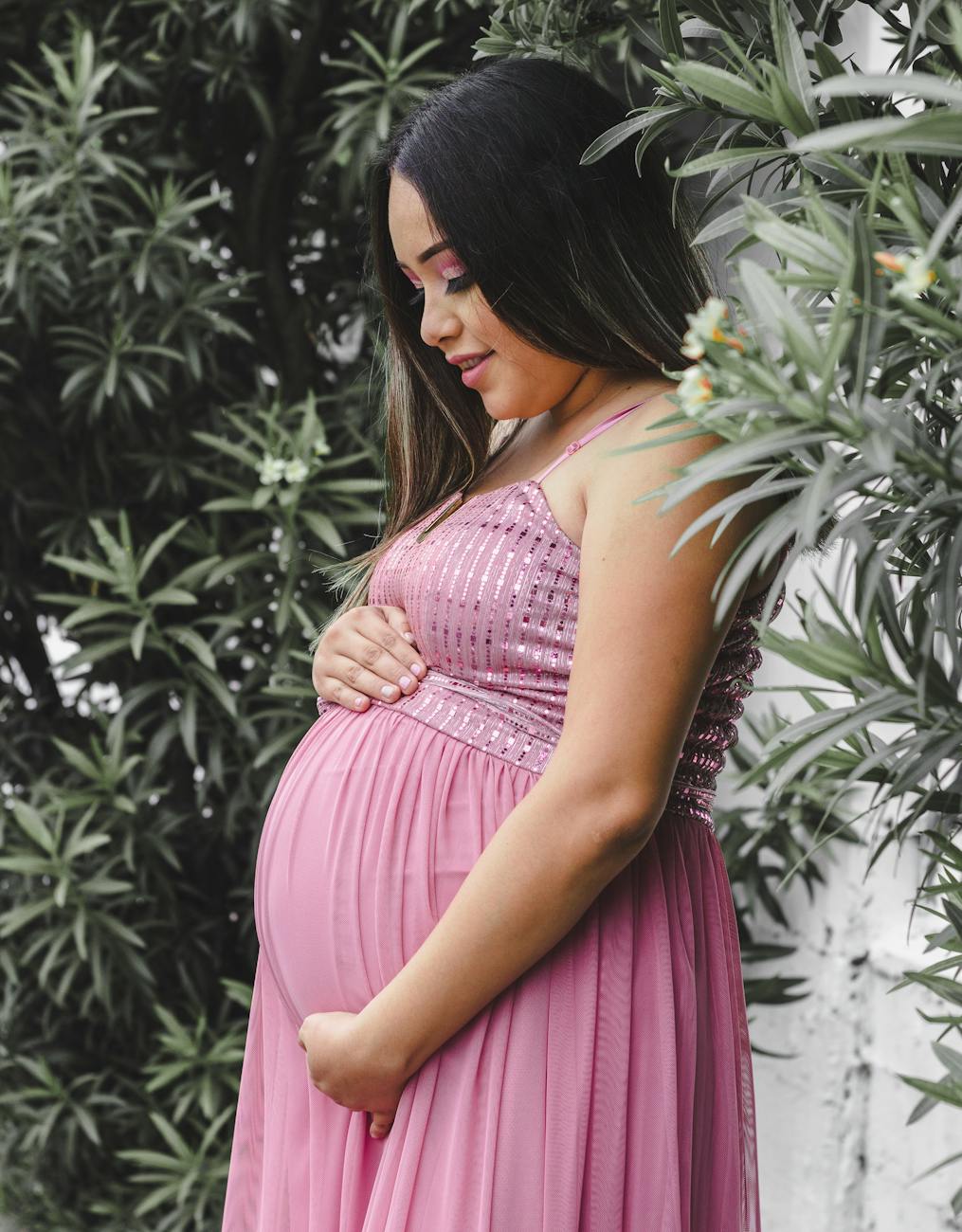
Many women living with fibroids worry about their ability to conceive. While not all fibroids interfere with pregnancy, in some cases, they can make it more difficult, depending on their size, location, and how many are present.
Let’s take a closer look at how fibroids can affect fertility and pregnancy outcomes:
1. Obstruction of Fallopian Tube
Some fibroids, especially those growing near the fallopian tubes, can physically block the pathway needed for sperm to meet the egg. This obstruction prevents fertilization from occurring, making it harder to conceive naturally.Fibroids can cause the Fallopian tube to be obstructed and in so doing, it will prevent the sperm from getting into the tube for fertilization.
2. Change shape of the Uterus
Large fibroids can distort the natural shape of the uterus. This can interfere with implantation — the process where a fertilized egg attaches itself to the uterine lining.
In addition, fibroids that grow inside the uterine wall (intramural) or into the cavity (submucosal) can change the lining of the uterus, making it less hospitable for an embryo to implant and grow.
3. Increased Risk of Miscarriage
Research shows that certain types of fibroids, especially those inside the uterus, may increase the chances of miscarriage during early pregnancy. They may cause abnormal blood flow, affect the uterine environment, or trigger contractions that can interfere with a healthy pregnancy.
4. Pre Term Labour Risk
Fibroids are also linked to a higher risk of preterm labour or early delivery. This is because they can limit space in the uterus or irritate the uterine walls, which might lead to premature contractions.
5. Not All Fibroids Affect Fertility
It’s important to remember that not all fibroids will affect your ability to get pregnant. Many women with fibroids conceive naturally, carry to term, and deliver healthy babies. The effects depend on the size, number, and location of the fibroids.
Important Note
If you suspect fibroids may be interfering with your fertility, it’s essential to consult a healthcare provider. A doctor can recommend imaging scans to assess the fibroids and suggest possible treatments like:
- Lifestyle and diet changes
- Hormonal therapies
- Minimally invasive procedures
- Surgical removal (myomectomy)
Also, remember: Fibroids are linked to high estrogen levels. Supporting hormonal balance through diet, stress reduction, and herbal support can help manage or even shrink fibroids in some cases.
Your body is always speaking to you. Learning to listen and respond with care is a key part of your wellness journey.
Stay informed, and take steps that honor your body’s needs.
Echo Wellness | Your future self is listening
 Wellness Echo
Leave a Reply